
Wallet left at home? No problem: why QR payments are changing everyday in-store trade


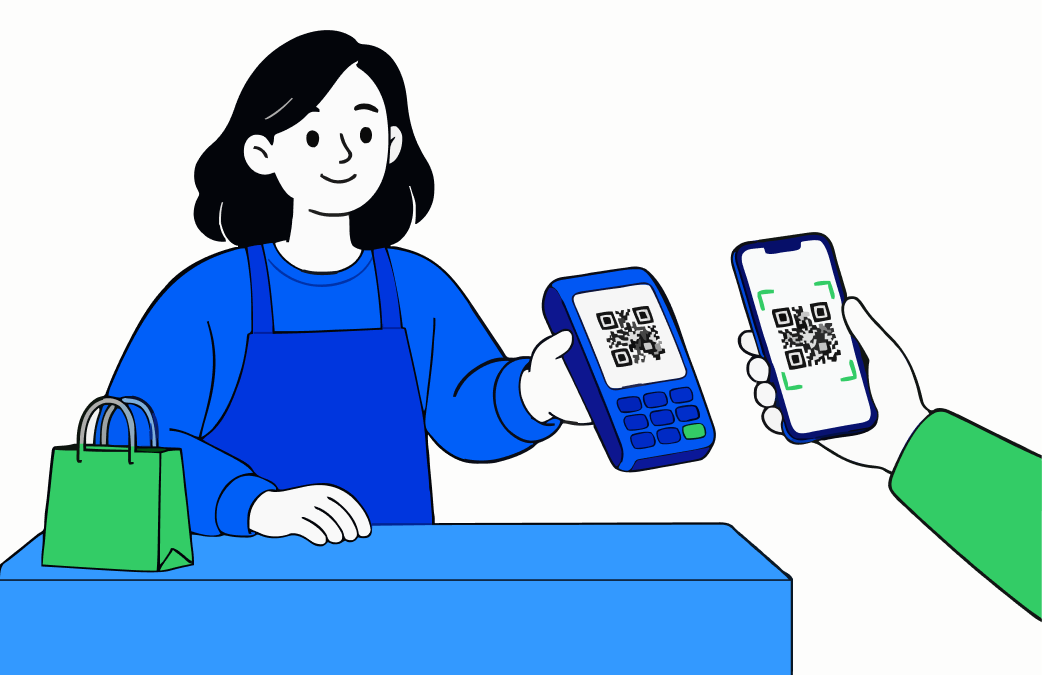
Shopping habits in physical shops and service outlets are changing fast. More and more people pay simply with a smartphone or a smartwatch. Alongside the familiar contactless cards, a new option is appearing at the point of sale: payment QR codes shown directly on the POS terminal screen.
How does it work in practice, and what does the merchant gain?
What are QR payments and how do they work at the checkout?
The process is simple: the seller enters the purchase amount, the POS terminal generates a unique QR code on its screen, and the buyer scans it with their phone and confirms the payment in their banking app.
Technically, this is a direct account-to-account (A2A) payment. The money travels from the buyer's bank straight to the seller, bypassing the international card networks.
Why does it pay off for business?
The biggest benefit for business is simple: lower fees on every payment.
-
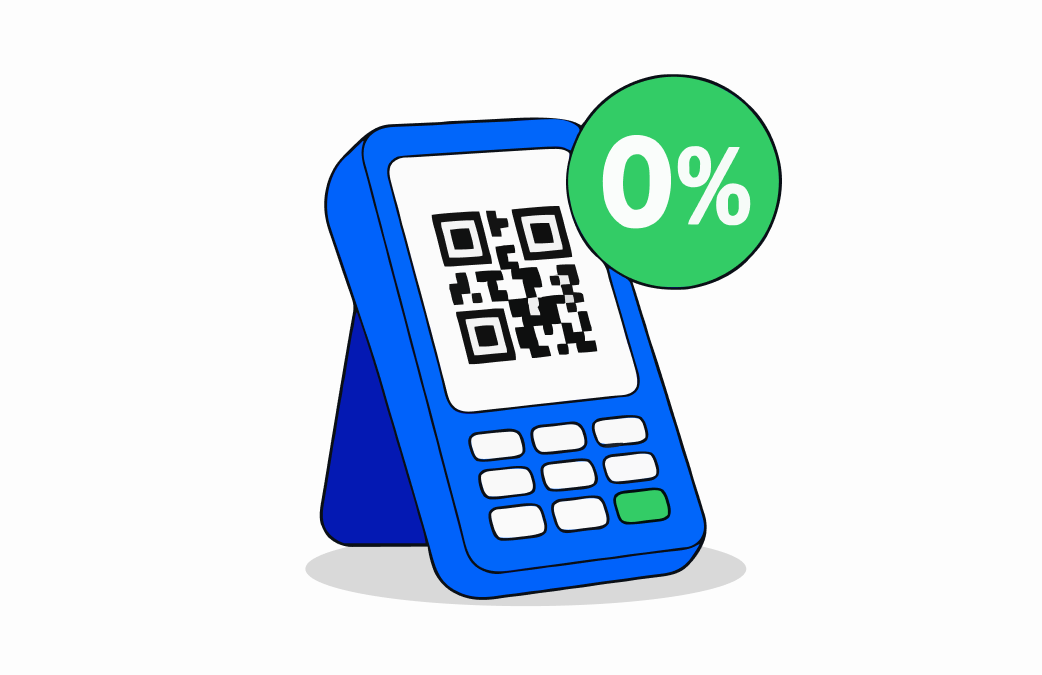
0 % commission: When a customer pays by card, the money passes through a card scheme (Visa, Mastercard and others) and every intermediary takes its share. A QR code works differently: the payment goes directly through the buyer's bank (via the payment collection platform and the payment initiation service, PIS). With Paysera POS and Checkout Modern these payments cost the business nothing – the commission is 0%.
-
Money in your account instantly: With card payments, the money sometimes takes until the next business day to arrive. A QR payment is a direct transfer, so the money reaches your account instantly.
-
More ways to pay – fewer lost customers: If the buyer's card is not working, NFC is switched off on their phone or their wallet was left in the car, a QR code on the screen lets them complete the purchase without any fuss.
Where do dynamic on-screen QR codes create the most value?
The Paysera POS terminal creates a new QR code for every sale, with the amount already embedded – nothing to print or stick next to the till. Here is where it is most useful:
-
Outdoor trade, fairs and mobile services: At fairs, markets, temporary sales points or when providing services at the customer's home, a QR code on the POS terminal screen lets the customer pay straight from their banking app. The seller does not need to carry change, and since the amount is already in the code, the customer does not have to type it in, so there is nothing to get wrong.
-
Payments for higher-value services or goods: Car repairs, a course of beauty treatments, pricier equipment – paying by card here often runs into the card's daily limit. After scanning the QR code, the customer lands in their banking app and confirms the transfer like any ordinary bank payment, with no card limit in the way.
-
Cafés and restaurants: Most customers here will still pay by card, but a QR code is a good backup plan. The waiter generates the code on the screen, the customer scans it and pays, even if their card is not working today.
Lower fees – more freedom for the buyer
QR payments at the point of sale are a simple, practical addition to your usual card terminal. They give the buyer one more convenient way to pay and let the merchant accept bank transfers free of charge and avoid lost sales.
More convenient for customers, cheaper for you Try Paysera POS with QR payments.