
Virtual cash registers: 25,000 devices already running with i.EKA, businesses save up to 2 hours daily


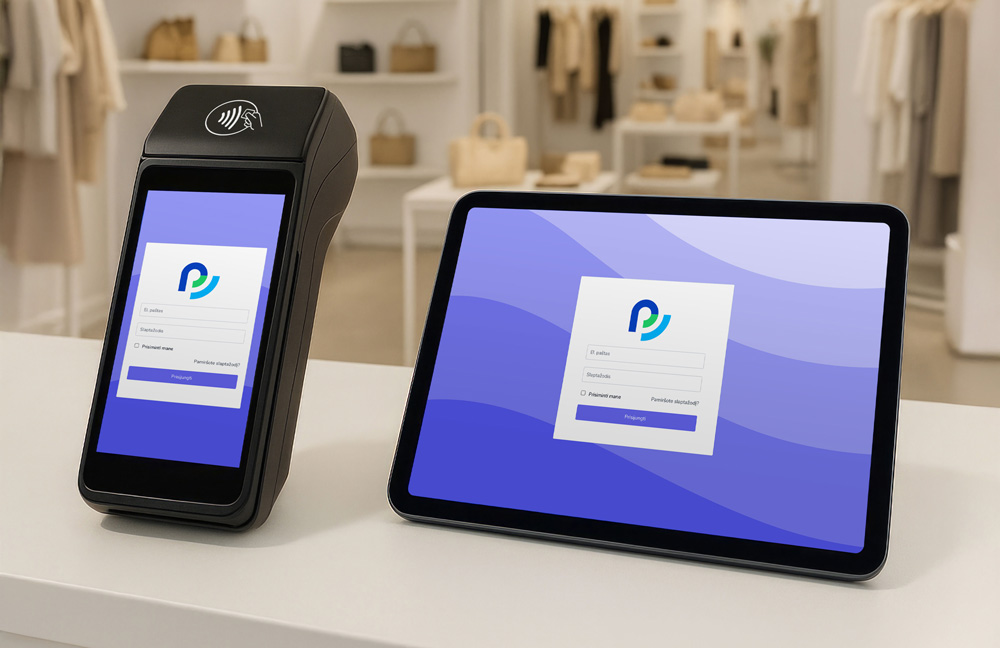
The implementation of the intelligent cash register subsystem (i.EKA) that has taken root in Lithuania is fundamentally changing business operational efficiency. Initial data shows that the transition to virtual cash registers allows companies to reduce the training time for new employees by up to 50% and save up to 2 working hours daily, which were previously allocated to bureaucracy and manual data reconciliation. According to the State Tax Inspectorate, 20,000 small businesses already use 25,000 intelligent cash registers with the i.EKA system.
i.EKA effect: +11% VAT in public catering, EUR 1.6 million in additional taxes
According to the State Tax Inspectorate, 61,000 cash registers already use the i.EKA system – that's 87% of all registered cash registers in Lithuania. The results are clear: since June 2025 alone, more than EUR 1.6 million in additional taxes (including EUR 1.3 million in VAT) has been contributed to the budget.
The difference between intelligent and old cash registers is obvious. In public catering, VAT collection with intelligent devices increased by 11%, with old ones – decreased by 25%. In retail trade, VAT collection with intelligent devices grew by 10%, with old ones – decreased by 10%.
"Monitoring takes place in real time. This reduces the opportunities for dishonest businesses to manipulate data and not account for real income, identifies risky taxpayers more accurately, which means the ability to collect more funds for the state defence budget," says Rolandas Puncevičius, Head of the Operational Control Department of the State Tax Inspectorate.
Practical experience: training time reduced by half
Deimantė Pigulevičiūtė, HR Manager at "Angelų takais", confirms that the decision to use the Paysera POS virtual cash register has drastically eased the work for companies that operate with short-term locations and a continuous flow of new employees.
"Training employees to use the system has become much easier, and the onboarding time has decreased by 50%. Processes have become automated, there is less manual work, and the team can devote more attention to direct work with clients," says D. Pigulevičiūtė.
According to her, the transition to a virtual cash register allowed them to save about 1–2 hours daily. "All daily activities – from sales to report management – take place in one system, so the likelihood of errors has significantly decreased," adds the specialist. According to her, the biggest advantage is automatic synchronisation in real time and easy distribution of products between different locations, as well as the visible continuous improvement of the system.